
Visibly Fragile America
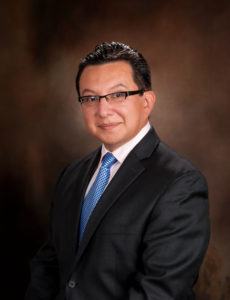
Focusing on Black American lives during the Covid-19 pandemic of 2020, UDC Law Professor Etienne C. Toussaint’s latest article is a tour de force, which provocatively yet persuasively argues that U.S. history, law, and society iteratively reconstitute socioeconomic inequality through “collective rituals of white supremacy that both create and reconstitute anti-Black racism and redeem white privilege.” (P. 5.) For Toussaint, the catastrophe of pandemic illuminates the fragility of U.S. democracy in two significant ways: not only has the pandemic unmasked “the adverse impact of decades of inequitable laws and public policies in low-income Black communities across the United States[,]” but it has also spotlighted “America’s racially biased, violent, and supervisory policing culture[.]” (P. 3.)
These themes are well-known to scholars of Critical Race Theory (CRT) and poverty law in the United States. Toussaint’s contribution feels exciting and noteworthy because of his skillful synthesis of multiple literatures within legal scholarship and across the disciplines, including inter alia, anthropological theory on rituals; critiques of rights-based discourse (domestic and international) for reifying abstract liberal ideologies of equality, liberty, and universalism; and an adroit evaluation of Martha Fineman’s theory of human vulnerability (and Amartya Sen’s theory of development as freedom) in light of the collective experience of Black Americans under white supremacy. Continue reading "Visibly Fragile America"


